Keeping up with advances in hearing care
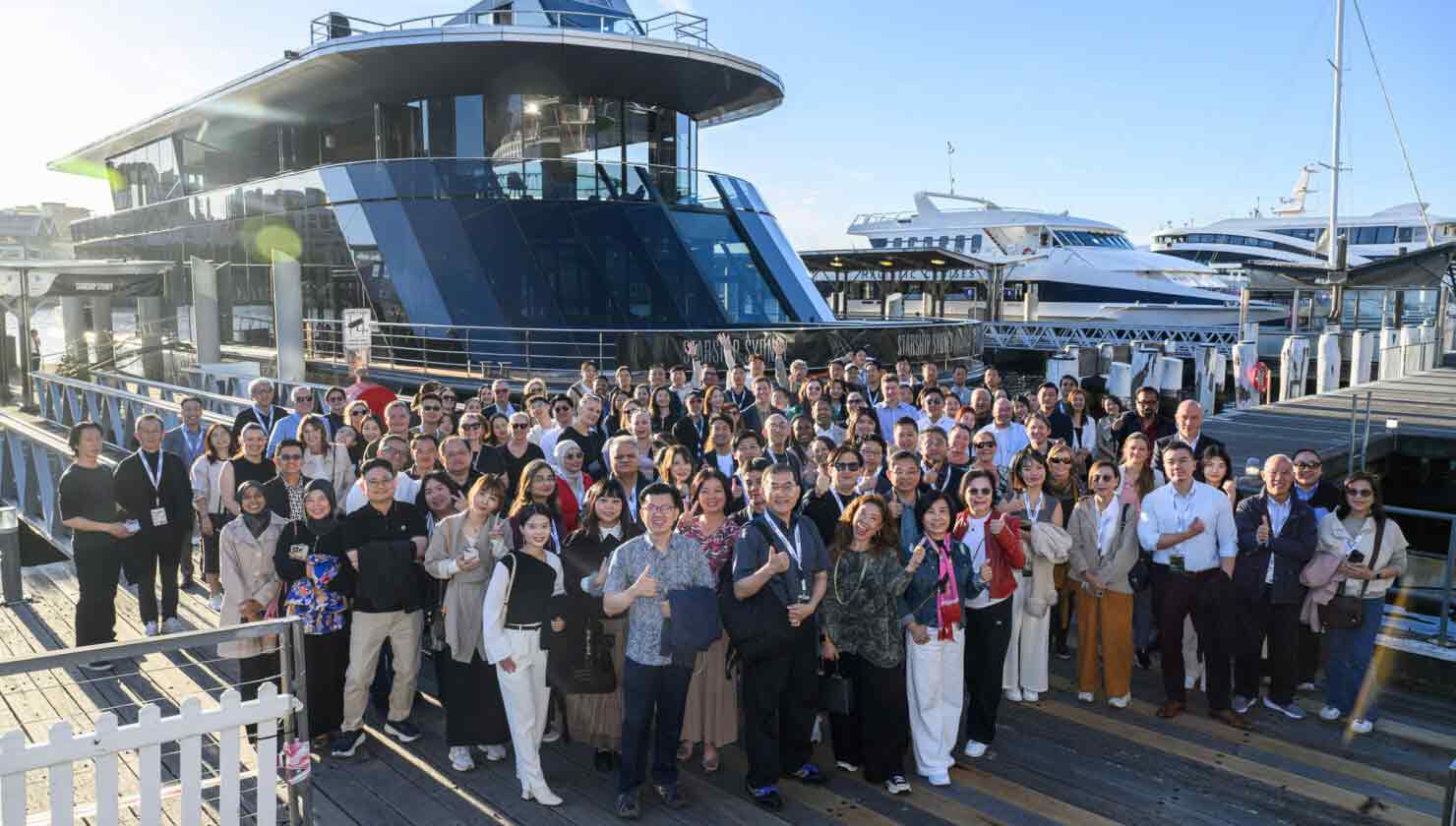
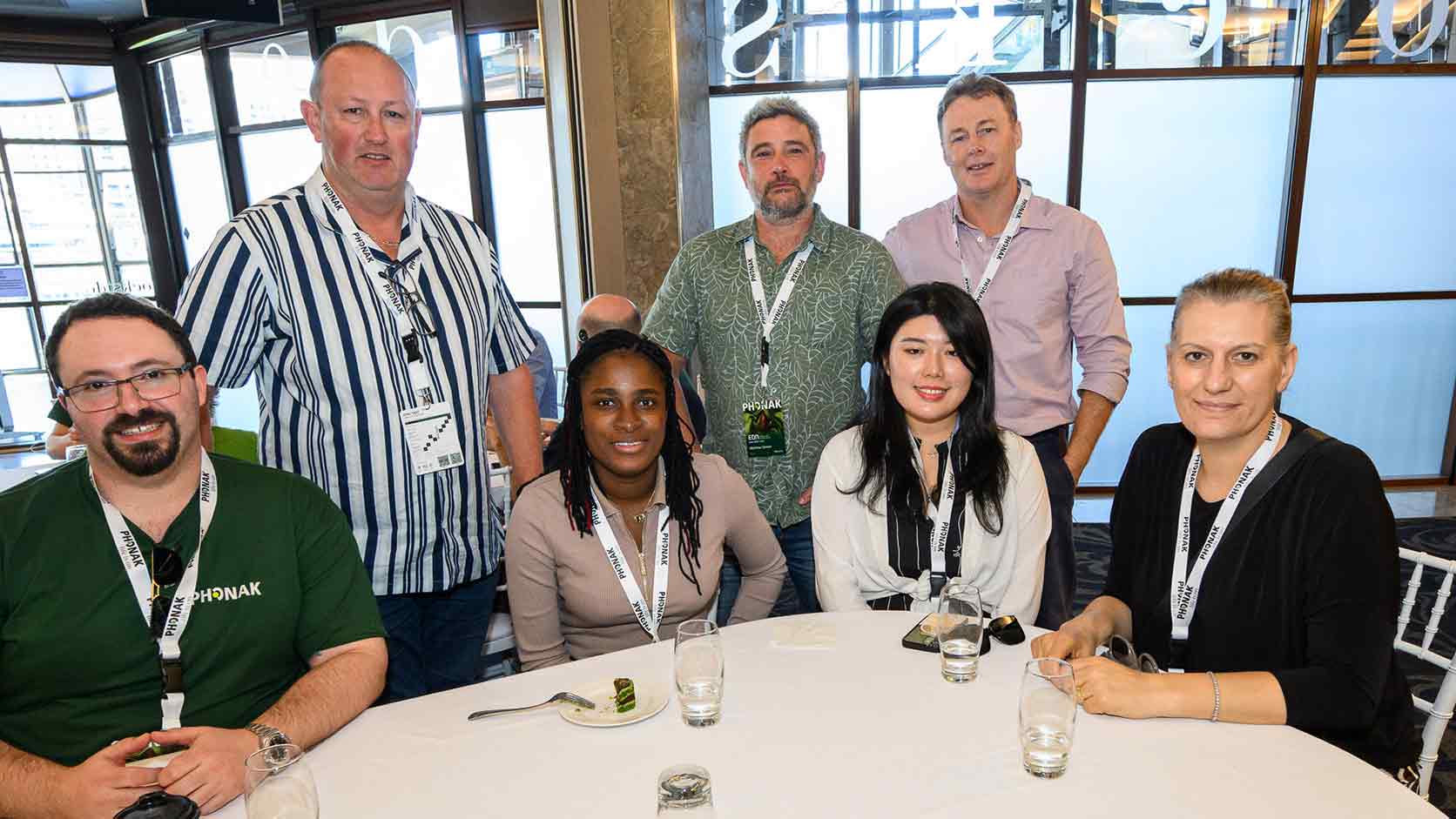
Keeping up to date with new products and developments in hearing care is an important part of my work. I was recently invited to the Phonak APAC NEXT conference in Sydney, where more than 200 hearing-care professionals from across the Asia-Pacific region came together for expert sessions, live demonstrations and hands-on workshops. It was a valuable opportunity to meet peers from across the industry and APAC, exchange perspectives and hear how research and new technology are shaping hearing care. I bring what I learn at events like this back to Canberra Hearing, where I can share it with patients and use it to inform advice tailored to their needs. One of the highlights was exploring Phonak EON Sphere through demonstrations and conversations with the specialists behind the technology. I also visited the Australian Hearing Hub, including its anechoic chamber, and spent time with NextSense, a charity supporting people with hearing and vision loss.
Phonak EON Sphere
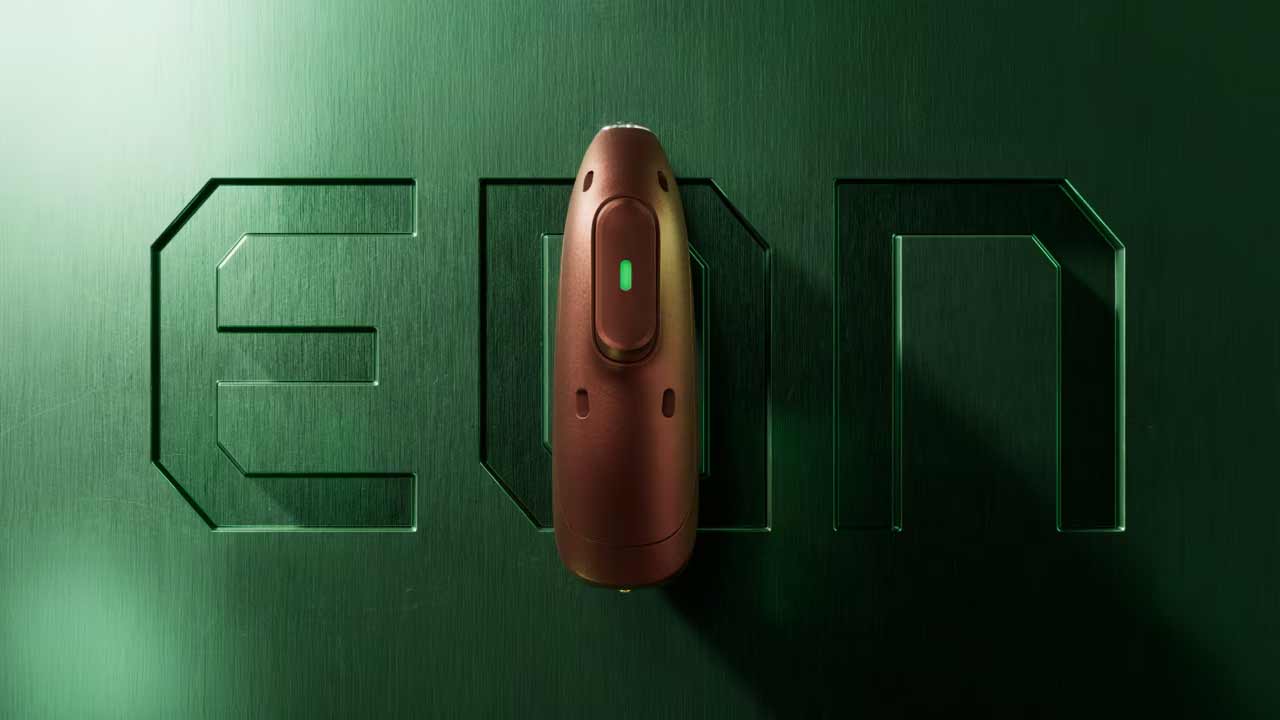
At the immersive EON showcase, I explored the technology through demonstrations and heard directly from Phonak specialists about what makes it different. They explained how Spheric Speech Clarity 3.0 in Audéo EON Sphere uses AI processing, powered by Phonak’s HYPERSONIC chip, to separate speech from background noise in real time, including sounds coming from different directions. The aim is to help conversations stand out in complex listening situations, such as a busy café or a group conversation.
That focus matters because following a conversation can become difficult when several voices overlap or background noise builds. EON Sphere is designed to address this particular challenge, but no feature is right for everyone. The best choice depends on your hearing needs, the situations you want help.
Inside the Australian Hearing Hub
The visit to the Australian Hearing Hub gave me a fascinating view of the research and specialist work behind advances in hearing care. The Hub brings researchers, hearing-care providers and other specialists together, and we were able to see its anechoic chamber: a carefully engineered room designed to absorb sound reflections. By minimising echoes and controlling the acoustic environment, researchers can study hearing and sound under consistent conditions, with fewer room effects influencing what they measure. Seeing the chamber made the science tangible: careful, controlled research is one part of how knowledge about hearing and communication develops.
Everyday life is less controlled. A shopping mall, workplace or family table has its own mix of distance, room acoustics and background noise. The chamber does not recreate every real-world situation or predict how a hearing aid will perform. It shows why research matters: clinicians consider it alongside each person’s experience.
Bringing the experience back to your care
The right recommendation draws on product knowledge and an independent view of the options, but starts with your hearing and routines. With more than 20 years in hearing care, I can explain which features may help and why. Tell me if group conversations, meetings, phone calls or time outdoors are difficult, and we can consider which hearing solution is best suited to your individual needs and experiences.
If you have questions or would like to talk through your hearing needs, please get in touch. We would be happy to help.
Matt Cannon, Founder of Canberra Hearing